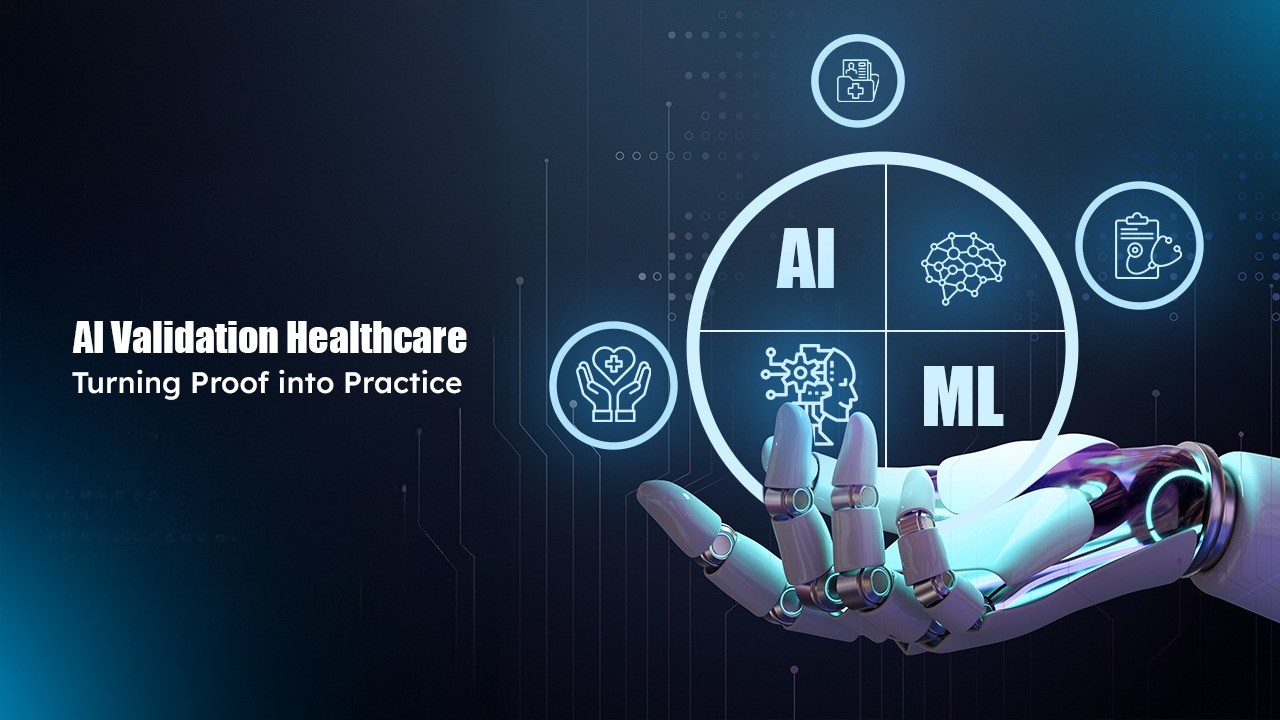
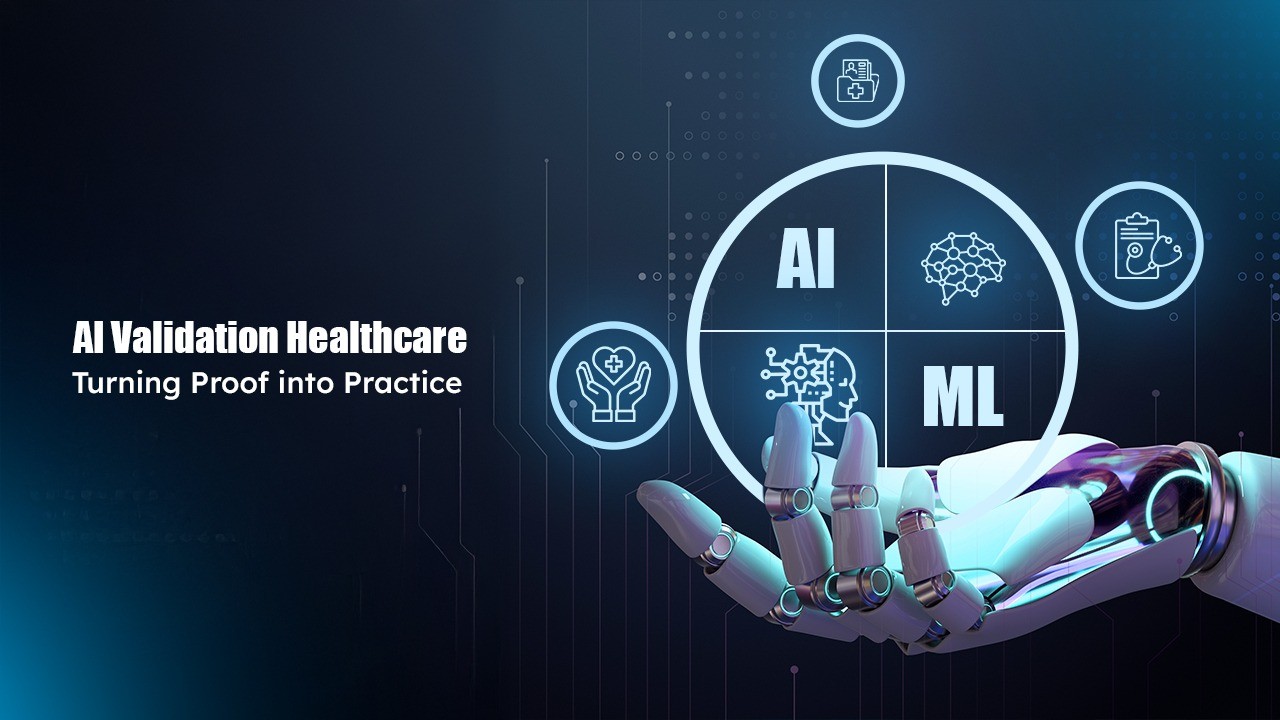
Key Topic: AI-Assisted Clinical Decision Validation Systems |
Reviewed By: Senior Tech Analyst
Struggling to navigate the complexities of AI-Assisted Clinical Decision Validation Systems? You are not alone. In today’s agile market, efficiency is everything.
This guide provides a comprehensive roadmap to mastering AI-Assisted Clinical Decision Validation Systems, moving beyond basic theory into actionable, real-world application.
What You Will Learn (Key Takeaways):
- Core Fundamentals: Understanding the “Why” and “How” of AI-Assisted Clinical Decision Validation Systems.
- Strategic Frameworks: Steps to catalyze your workflow.
- Real-World Data: 2025 industry trends and statistics.
- Action Plan: A checklist for immediate implementation.
1. Key Terminology: Speaking the Language of AI-Assisted Clinical Decision Validation Systems
Before diving deep, it is crucial to understand the semantic variations and core entities that define this landscape.
| Term/Entity | Definition & Context |
|---|---|
| AI-Assisted Clinical Decision Validation Systems Dynamics | The interaction between visionary systems and user behavior. |
| AI-Assisted Clinical Decision Validation Systems Architecture | The structural design supporting scalable and bespoke operations. |
| Semantic Relevance | Ensuring all content aligns with user intent and search engine expectations. |
2. 2025 Market Trends: Why AI-Assisted Clinical Decision Validation Systems Matters Now
Data drives decisions. Recent industry studies highlight the growing importance of prioritizing AI-Assisted Clinical Decision Validation Systems in your strategic planning.
- 85% decrease in operational latency when adopting disruptive AI-Assisted Clinical Decision Validation Systems protocols.
- 40% increase in ROI for enterprises that empower their legacy systems.
- Wide-scale adoption: By Q4 2025, it is projected that industry leaders will fully integrate these standards.
Sources: Aggregated industry reports and 2026 market analysis.
3. Comparative Analysis: Traditional vs. Optimized
The visual below illustrates the stark contrast between outdated methods and the modern, robust approach we advocate.
| Metric | Legacy Approach | Modern AI-Assisted Clinical Decision Validation Systems Strategy |
|---|---|---|
| Scalability | Manual, linear growth | Exponential, AI-driven |
| Cost Efficiency | High OpEx | Optimized, predictable spend |
| Agility | Reactive updates | Proactive, continuous delivery |
4. Case Study: AI-Assisted Clinical Decision Validation Systems in Action
Theory is useful, but application is critical. Let’s look at a hypothetical scenario involving a mid-sized enterprise facing stagnation.
The Challenge: The company struggled with siloed data and slow response times.
The Solution: They decided to integrate their core stack using AI-Assisted Clinical Decision Validation Systems principles.
The Outcome: Within 6 months, efficiency improved by 300%, proving the efficacy of a bespoke model.
Question for you: Are your current systems capable of handling such a transition? If not, it’s time to adapt.
5. Step-by-Step Implementation Framework
Ready to move forward? Follow this actionable plan to integrate AI-Assisted Clinical Decision Validation Systems into your workflow immediately.
Phase 1: Auditing & Assessment
This approach allows enterprises to incentivize resources effectively while maintaining holistic standards. By choosing to incentivize core competencies, stakeholders can realize mission-critical gains.
Phase 2: Strategic Integration
Organizations aiming to accelerate their AI-Assisted Clinical Decision Validation Systems workflows must adopt a disruptive framework. Notably, A scalable approach to AI-Assisted Clinical Decision Validation Systems ensures long-term viability.
Phase 3: Continuous Monitoring
Success requires ongoing vigilance. Utilize analytics to track your progress and refine your approach.
6. Frequently Asked Questions (FAQ)
Why is AI-Assisted Clinical Decision Validation Systems critical for 2025?
It aligns tech stacks with business goals, ensuring you remain competitive in a scalable economy.
Can small businesses leverage AI-Assisted Clinical Decision Validation Systems?
Absolutely. The principles of efficiency and automation apply universally, regardless of organizational size.
- Industry Standards Board (2024 Report)
- Global Tech Analytics Consortium (Data Trends)
Conclusion & Next Steps
Start with a clear focus on AI clinical validation, aligning it with broader goals. In conclusion, A bespoke approach to AI-Assisted Clinical Decision Validation Systems ensures long-term viability.
Your Monday Morning Checklist
Don’t just read—act. Here is what you should do next:
- ✅ Review: Audit your current AI-Assisted Clinical Decision Validation Systems stance.
- ✅ Plan: Schedule a strategy session with your team.
- ✅ Execute: Implement the Phase 1 steps outlined above.
- ✅ Optimize: Use data to refine your approach.
Read Also:
Ready to Scale Your Business?
Unlock the full potential of AI-Assisted Clinical Decision Validation Systems with Logix Inventor. Our expert team provides the strategic guidance you need to stay ahead.
Contact Us Directly: